
The Canton Fair is a major global trade event, also known as the China Import and Export Fair.
Held twice a year in the city of Guangzhou, this is the largest and most important multi-sector trade fair in the world. It serves as the meeting point for the entire global supply chain, divided into three phases that cover everything: from high technology and heavy machinery to the textile sector.
But why does this matter for your business? Because in the digital age, where everything seems solvable with a click, crossing the globe to close partnerships in person remains the greatest competitive advantage a Brazilian company can have.
To understand this dynamic in practice, we spoke with Matheus Silveira, CEO of Quality SMI, who traveled to China to experience the behind-the-scenes of negotiating directly with industry powerhouses.
Below, we will dive into the lessons and trends he brought back and how this can transform your operations!
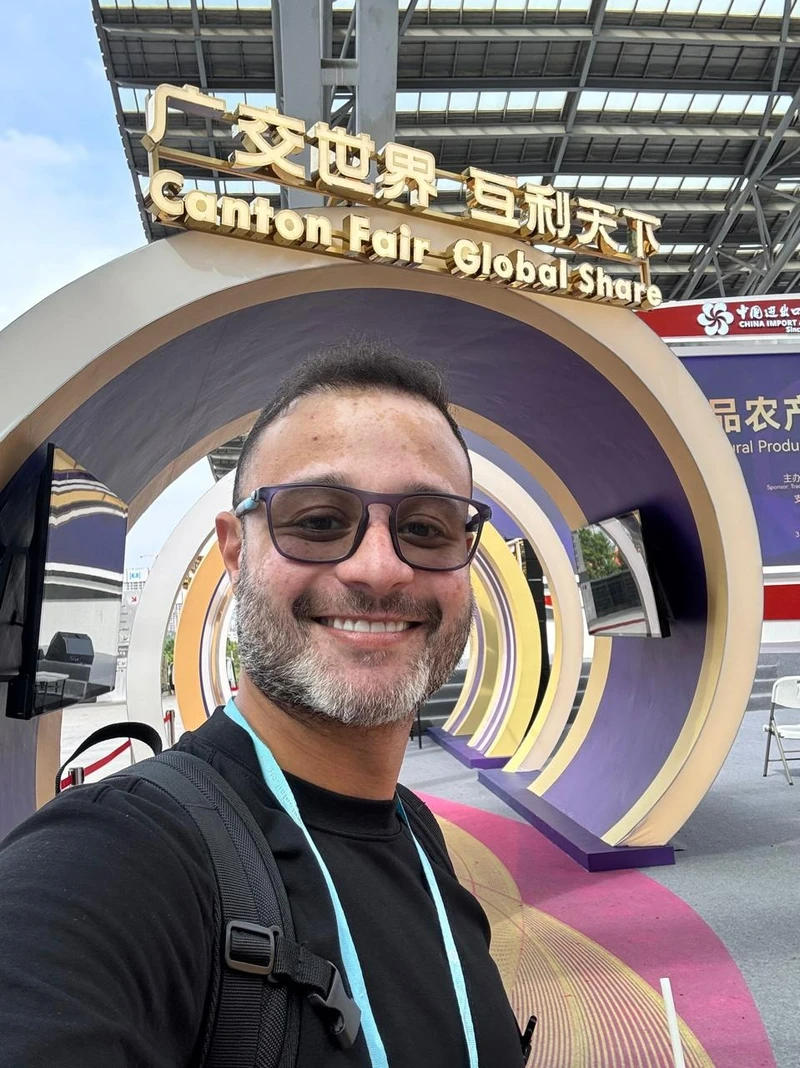
Matheus says that one of the first things that caught his attention was not the fair itself, but the pace of the city. Check out the exclusive insights from the Canton Fair.
Guangzhou seems to operate at a different speed. Walking among the stations, logistics centers, and crowded avenues, the feeling was clear: China is already discussing solutions that many markets haven't even realized they will need.
And whoever steps into this context will be ahead of their competitors.
The magnitude of the event
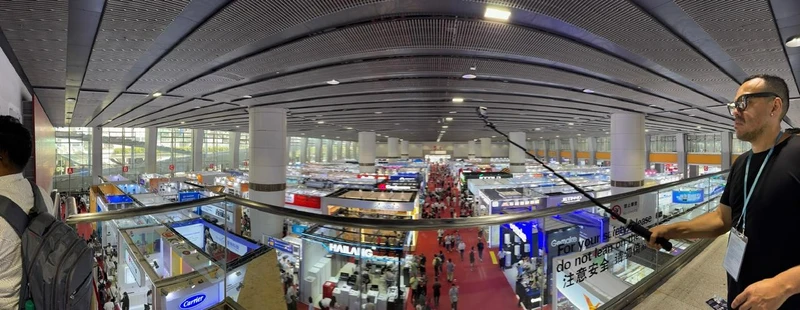
Understanding the scale of the Canton Fair by watching a YouTube video is one thing, but stepping into the Pazhou Complex is entirely different. We are talking about over 1.5 million square meters of exhibition space, and without rigorous physical preparation, it is very easy to get lost amidst tens of thousands of booths.
Matheus Silveira comments on how this expectation was shattered upon arrival:
"It exceeded all my expectations; it was a highly immersive experience, very different from what I imagined. [...] There I could see how gigantic China's capacity is in relation to the global market."
Mapping: never go without knowing exactly which pavilion your niche is concentrated in.
Focus: do not try to see everything! It is simply impossible; the space is too large, and the excess of options can paralyze your decision-making.
Physical preparation: comfortable shoes and translation support (whether an app or an interpreter) are non-negotiable.
This scale shouldn't scare you, but rather serve as an alert. Chinese manufacturers have efficiency, but they do not understand how our tax and logistics laws work. There is a golden opportunity for the national entrepreneur who positions themselves as the main arm or official importer for these giants in Brazil.
What is the power of face-to-face interaction?
In a world dominated by B2B catalogs and negotiations via WhatsApp and Meet, searching for suppliers online seems like the fastest route. However, a computer screen does not replace the trust of a handshake.
The fair is the environment where long-term relationships are born and where exclusive conditions are unlocked. Matheus notes that many suppliers changed their posture after realizing they were talking to someone who traveled all the way from Brazil to negotiate in person.
According to him, the conversation stops being just another online contact and gains the real weight of international expansion.
Trends, technology, and innovation
Walking through the corridors of the Canton Fair is like stepping into a time machine; the level of innovation seen there today might take years to fully reach the Brazilian market.
This ability to anticipate is what puts companies at the top of their categories.
According to Matheus, one of the strongest perceptions from the trip was understanding how the Chinese view operational speed differently from the West. Many companies are already testing solutions at scale, while a large part of the Brazilian market is still in the planning phase.
The CEO of Quality SMI reports:
"One of the things that caught my attention the most at the Canton Fair was the level of automation and technological integration that some Chinese industries are already using. Many solutions I saw there haven't reached Brazil at scale yet, mainly due to issues of cost, operational adaptation, and market maturity."
Logistics and adaptation
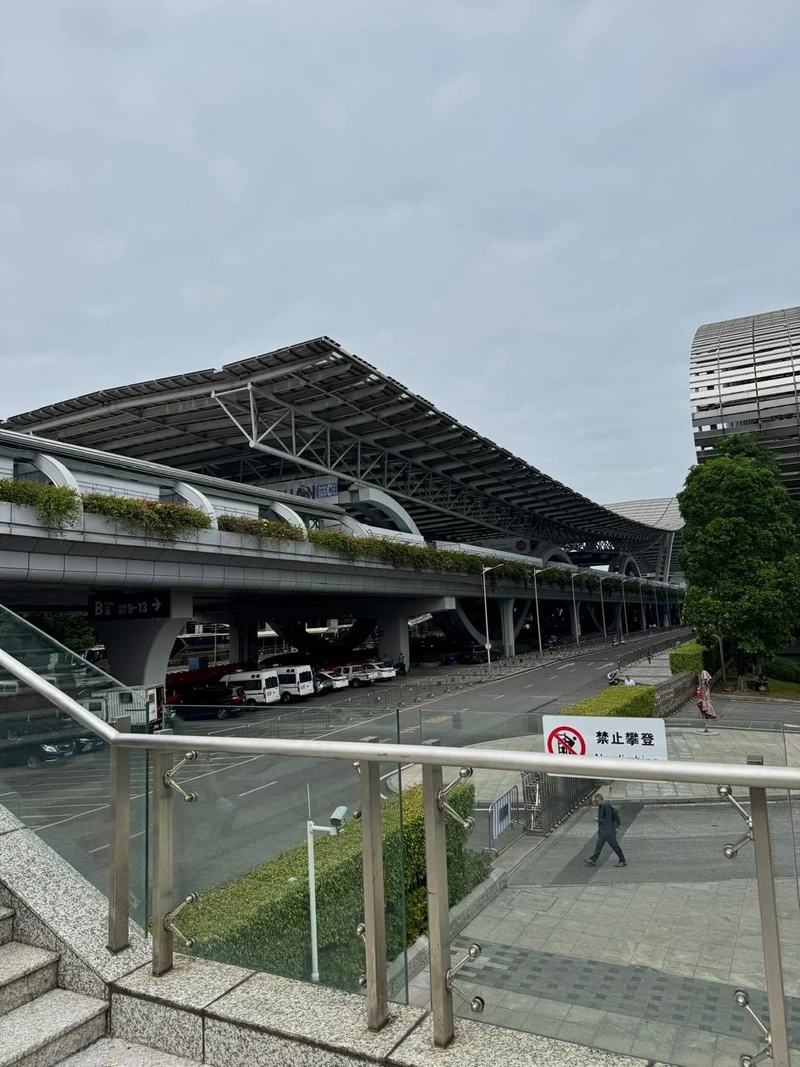
Buying well in China is only the first part of the negotiation. The challenge you face is getting the product delivered smartly, and logistics require market knowledge.
A practical example of this is vehicle batteries (a global trend observed by Matheus Silveira). Because they are considered hazardous cargo, they require specialized freight and complex bureaucracy, and are imported separately.
This was one of the behind-the-scenes insights Matheus was able to discuss in person with Fábio Borborema, CEO of Delphi Fretes, one of the world's leading references in shipping within the Chinese market.
It was in these backstage conversations that a reality rarely discussed outside the fair emerged: many Chinese industries want to enter Brazil but don't understand how the Brazilian market works in practice.
Taxation, logistics, commercial positioning, sales channels, and cultural adaptation, without a strong local partner, the operation stalls before it even gains scale.
What the Brazilian entrepreneur hasn't realized yet
There is a grand illusion in the national market that importing from China is easy, so the process is simple: just find a cheap supplier on online platforms.
But the Canton Fair shows precisely the opposite; the most valuable relationships continue to happen in person. It is in these meetings that differentiated commercial conditions, regional exclusivities, product adjustments, and negotiations emerge that simply don't appear in B2B marketplaces.
Conclusion
Crossing the globe to go to China should never be viewed merely on a cost spreadsheet, but rather as the safest investment in your company's future. The market has no patience for those who hesitate. As Matheus accurately summarizes:
“Participating in the Canton Fair in Guangzhou is a valuable opportunity to understand global trends, build direct connections with manufacturers, and anticipate market movements before they reach Brazil and the world.”
FAQ
1. What is the main advantage of negotiating in person at the Canton Fair instead of using online platforms?
Direct contact establishes an immediate relationship of trust with manufacturers. This factor changes payment terms and deadlines, opening the door for differentiated pricing that industries do not make available in open digital catalogs.
2. Why do Chinese industries usually face barriers when trying to sell in Brazil?
They face difficulties in aligning their communication with the consumption habits and search behavior of the Brazilian buyer. Without a strategy focused on the local market, their immense production capacity does not translate into efficient sales channels.
3. How does Quality SMI support these foreign companies targeting the national market?
The agency develops the positioning planning, high-performance SEO, and qualified lead attraction within Brazil's digital ecosystem. The goal is to create the marketing engine necessary to provide commercial outflow for their products.
4. What practical benefits does the agency CEO's immersion in China bring to Brazilian clients?
The trip makes it possible to anticipate automation trends and the use of artificial intelligence that will dictate the speed of operations in Brazil. This background helps calibrate marketing campaigns focused on scaling and real operational efficiency.
5. Does Quality SMI manage the import or freight processes mentioned in the text?
The agency focuses strictly on digital intelligence and marketing. Customs bureaucracy and cargo transport are the responsibility of specialized logistics partners, allowing our team to dedicate itself exclusively to demand generation and online sales.